N/A
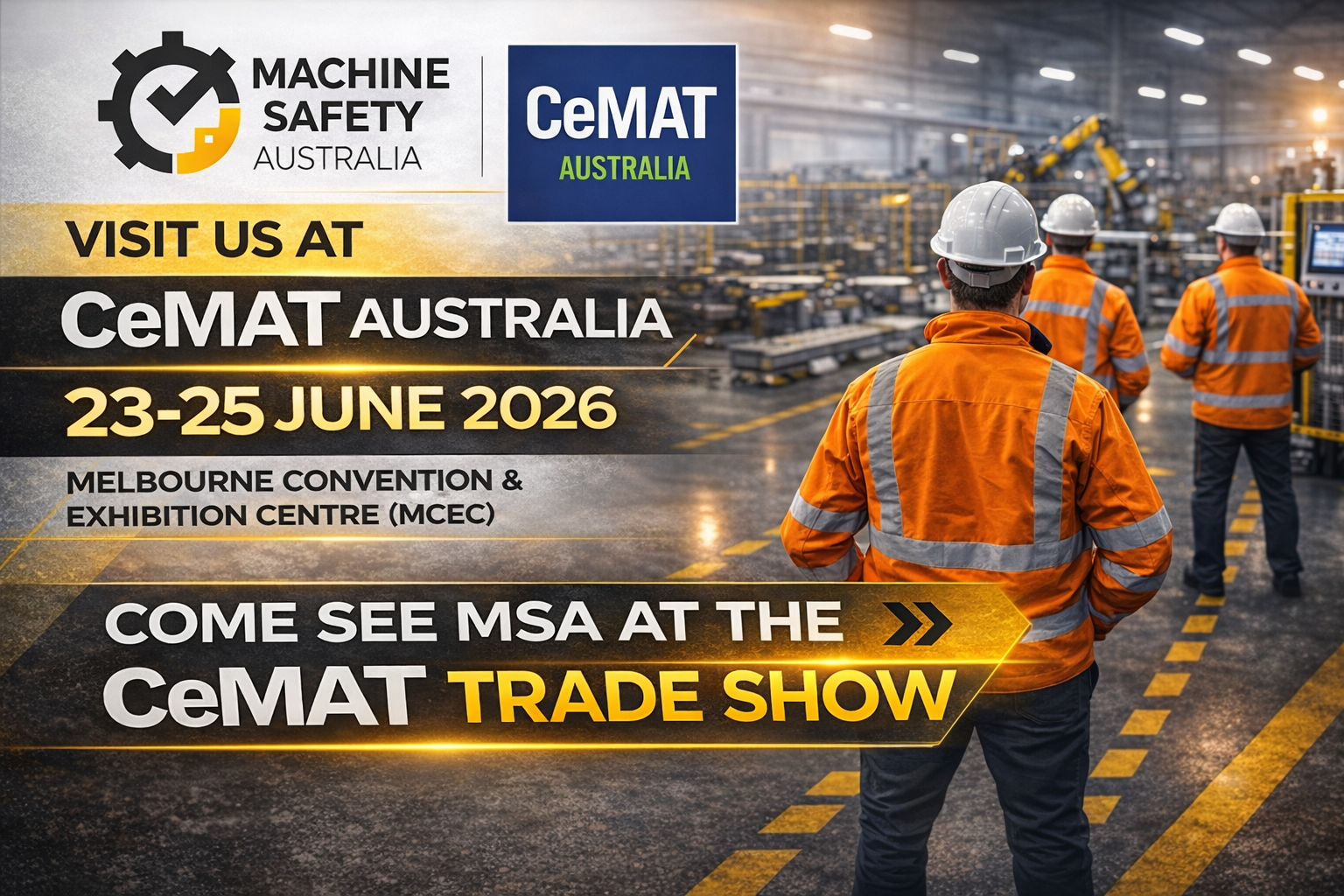
Machine Safety Australia will participate in CeMAT Australia 2026, the country’s leading trade show for intralogistics, robotics, automation, warehousing and materials handling, as the organisation seeks to draw attention to emerging safety risks linked to increasingly complex industrial environments. CeMAT Australia, held at the Melbourne Convention and Exhibition Centre from 23–25 June 2026, brings together more than 200 exhibitors and thousands of industry professionals focused on the future of supply chains, automation systems and warehouse operations. Against this backdrop of rapid technological change, Machine Safety Australia will use its presence to highlight a growing challenge facing manufacturers, logistics operators and engineering teams: ensuring that fast-moving automation and imported machinery meet Australian machine safety and WHS standards.
Rising complexity in automated and high-speed industrial systems
The organisation says the acceleration of robotics, automated conveyor systems and AI-enabled warehouse technologies is creating new categories of operational risk that are not always fully addressed during procurement or commissioning.
Machine Safety Australia notes that while automation is improving productivity and efficiency across Australian industry, it is also increasing the importance of rigorous safety validation, functional testing and compliance verification before equipment is placed into operation.
The company will be engaging with attendees across the CeMAT exhibition floor and Knowledge Theatre program, which showcases advancements in warehouse automation, intralogistics and supply chain optimisation technologies.
Focus on imported machinery and compliance gaps
A key message Machine Safety Australia will bring to CeMAT is the risk associated with imported machinery that may not be fully aligned with Australian Standards, including AS/NZS 4024 machine safety requirements.
The organisation warns that gaps can occur when equipment is designed for overseas regulatory environments but deployed locally without sufficient adaptation, assessment or independent safety verification.
According to Machine Safety Australia, these gaps often only become visible once systems are operational, particularly in high-throughput environments such as warehouses, manufacturing plants and logistics hubs.
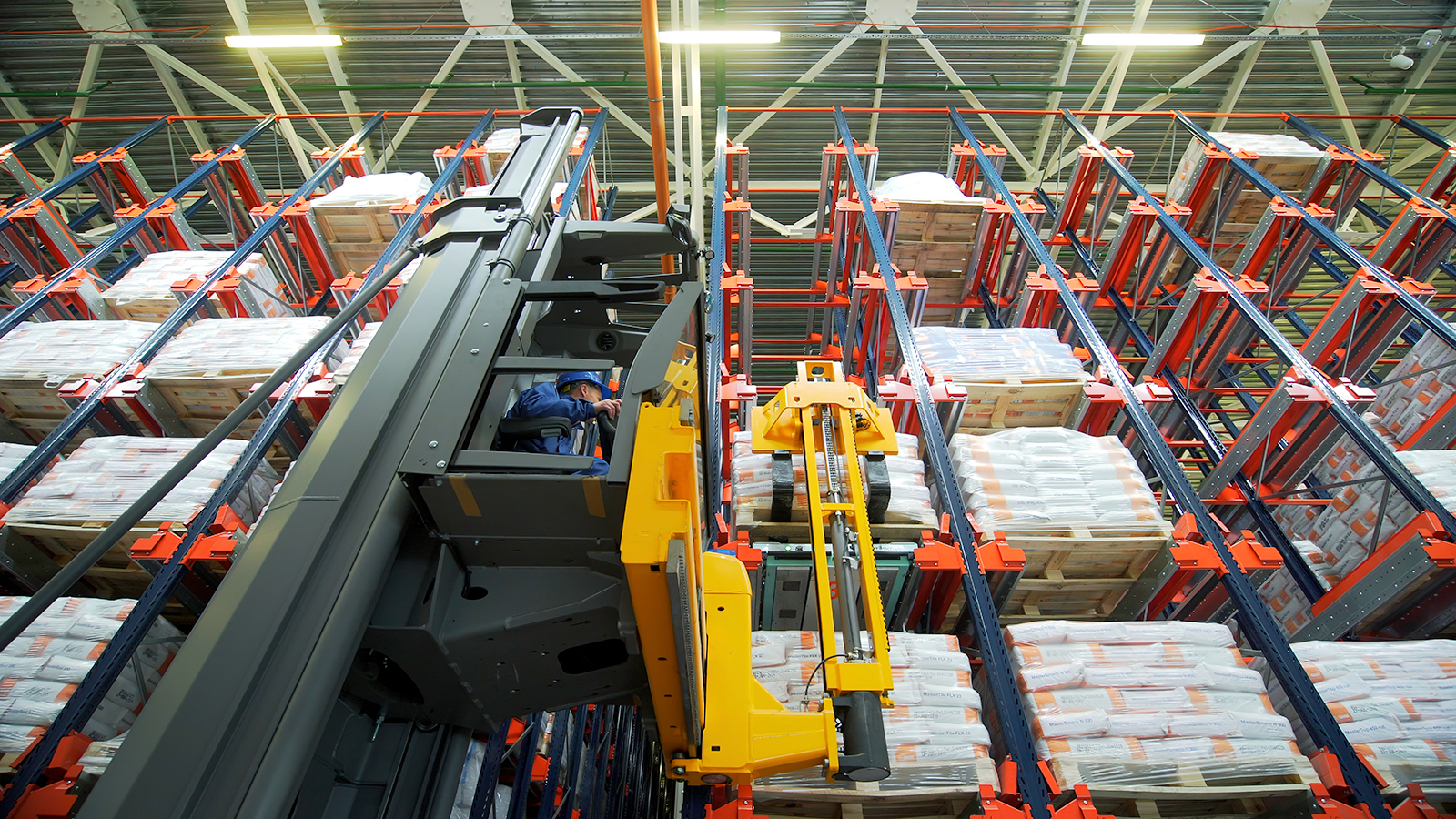
Storage.Creative.A man who arranges boxes and uses special vehicles fo
The image depicts an industrial warehouse environment featuring tall, multi-level storage racks filled with uniformly stacked palletized goods. Central to the composition is an automated or electric forklift with a yellow lifting mechanism actively e
Storage.Creative.A man who arranges boxes and uses special vehicles fo
The image depicts an industrial warehouse environment featuring tall, multi-level storage racks filled with uniformly stacked palletized goods. Central to the composition is an automated or electric forklift with a yellow lifting mechanism actively e
Industry conversations shifting toward “connected safety”
CeMAT Australia 2026 is expected to focus heavily on “connected intelligence” across industrial systems, where software, robotics and physical infrastructure operate as integrated networks.
Machine Safety Australia says this shift increases the need for a parallel focus on “connected safety”—ensuring that every component within automated systems is properly assessed not only in isolation, but as part of an integrated operational environment.
As exhibitors showcase next-generation automation and supply chain technologies, Machine Safety Australia will emphasise that safety assurance must evolve alongside innovation, particularly as systems become more autonomous and data-driven.
Strengthening safety standards in a rapidly evolving sector
Machine Safety Australia’s participation at CeMAT reflects a broader industry conversation about balancing productivity gains with worker safety, regulatory compliance and operational risk management.
With Australia’s warehousing, manufacturing and resources sectors increasingly reliant on automated systems, the organisation argues that independent machine safety assessment is becoming a critical requirement rather than an optional step.
By engaging directly with industry leaders at CeMAT Australia 2026, Machine Safety Australia aims to position machine safety not as a compliance afterthought, but as a foundational element of modern industrial design and operation.