Storage.Creative.A man who arranges boxes and uses special vehicles fo
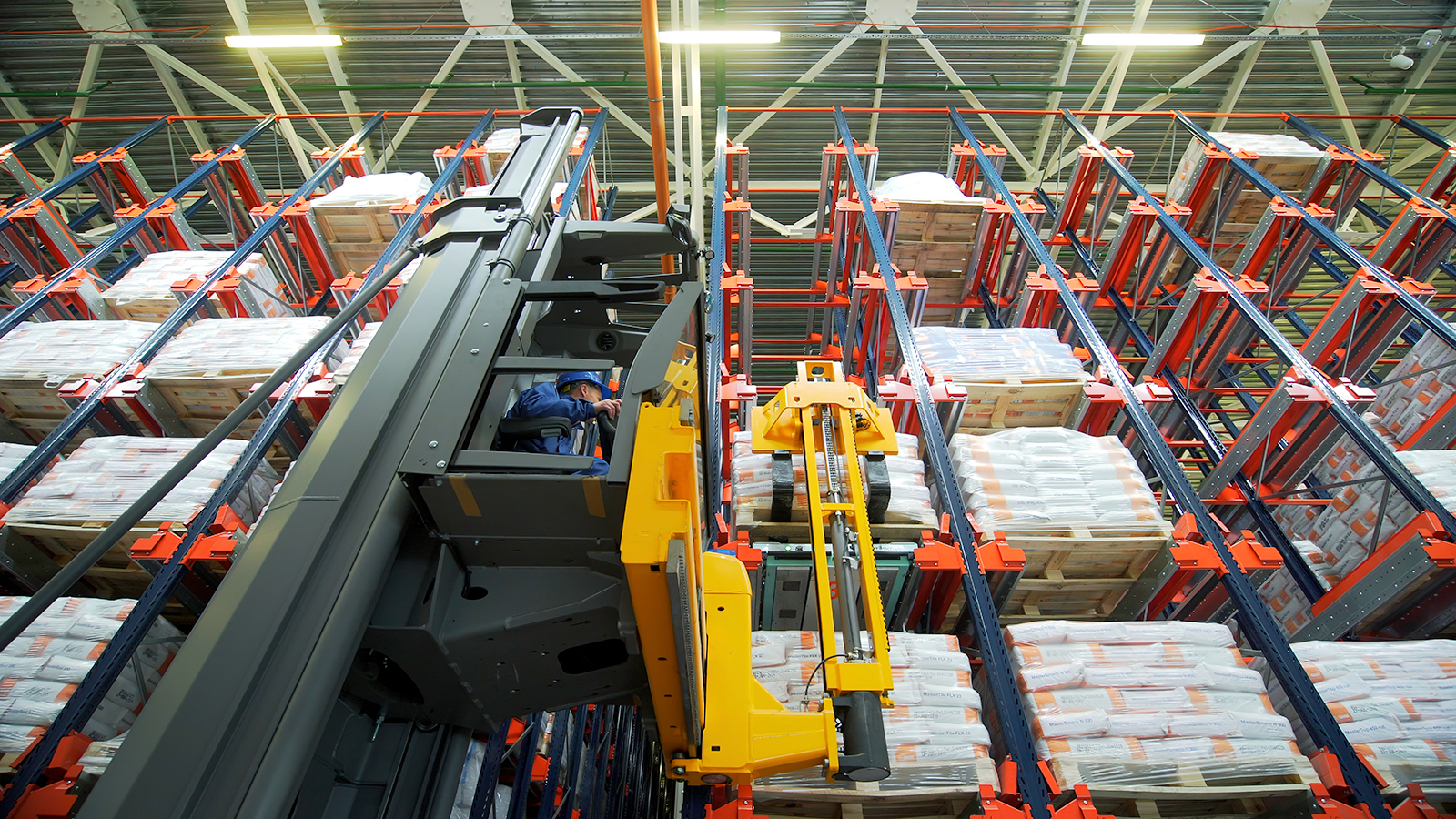
The image depicts an industrial warehouse environment featuring tall, multi-level storage racks filled with uniformly stacked palletized goods. Central to the composition is an automated or electric forklift with a yellow lifting mechanism actively e
Australia’s logistics and warehousing sector is undergoing rapid transformation as automation, robotics, and high-speed fulfilment systems redefine how goods move through national supply chains. But as throughput accelerates, safety risk is becoming more complex, more integrated, and harder to manage within legacy operational models.
Embedded safety becomes the new baseline
Modern warehouses now combine forklifts, autonomous mobile robots, conveyor systems, and automated storage technologies in tightly connected environments where humans and machines operate side by side. In this setting, machinery safety has shifted from a compliance obligation to a core operational dependency.
Industry specialists such as Machine Safety Australia say the most significant change underway is the move toward embedded safety-by-design systems, where risk controls are engineered into automation architecture, warehouse layout, and control systems rather than added after deployment.
Regulatory pressure is reinforcing this shift under frameworks such as AS/NZS 4024 Machinery Safety Standards and ISO 12100 Risk Assessment and Risk Reduction, which require structured lifecycle risk management.
N/A
Legacy warehouses face retrofit pressure
Across the sector, older distribution centres are being pushed to adapt to automation demands. This is driving investment in upgraded guarding systems, interlocks, and automated shutdown controls designed to reduce downtime and improve operational resilience.