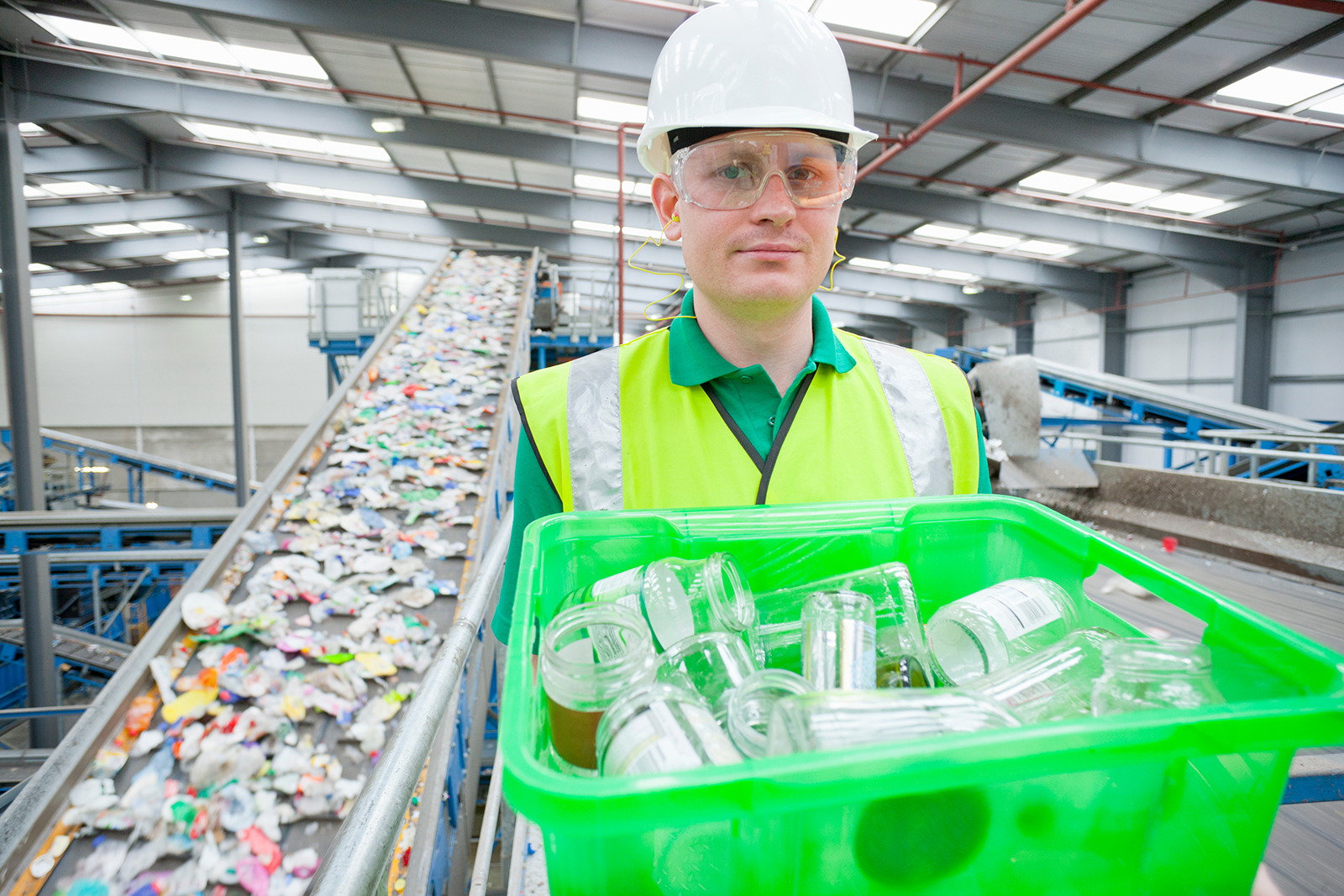
A worker wearing appropriate PPE handles recyclable materials alongside an automated conveyor system in a modern recycling facility. The image highlights safe material handling, machine guarding, and workplace safety within an industrial recycling en
Australia’s recycling and waste processing sector is scaling quickly as circular economy investment accelerates, but rising throughput is exposing growing machinery safety risks across high-volume facilities.
High-speed systems increase operational risk
High-speed sorting lines, shredders, compactors, and conveyor networks now operate continuously in environments where waste streams are unpredictable and loads fluctuate significantly. This combination is increasing exposure to entanglement, crushing hazards, and mechanical failure under sustained stress.
Shift toward system-level safety design
Industry specialists such as Machine Safety Australia say the sector is moving toward integrated safety engineering, where risk is addressed at system level rather than through isolated fixes after installation.
This aligns with compliance frameworks including AS/NZS 4024 Machinery Safety Standards and ISO 12100 Risk Assessment and Risk Reduction, which emphasise lifecycle hazard control.
Legacy infrastructure driving upgrades
Many facilities continue to operate older systems that are being pushed beyond original design assumptions, prompting retrofit programs focused on guarding upgrades, control system improvements, and validated safety functions.