Australia’s water and utilities sector is under growing pressure to deliver uninterrupted essential services while managing increasingly complex infrastructure, tighter regulatory oversight, and expanding automation across treatment and distribution networks. As systems become more interconnected, equipment safety is emerging as a core determinant of operational reliability rather than a back-end compliance requirement.
Critical infrastructure depends on safe automation
From water treatment plants to pumping stations and distribution networks, utilities now rely on continuously operating mechanical and automated systems. This creates a high-stakes environment where equipment failure or safety breakdowns can have immediate service-wide consequences for communities and industry.
Operators are managing risks associated with high-pressure pumping systems, automated valves, control networks, and ageing mechanical infrastructure. In many cases, these systems were not originally designed for today’s level of automation or continuous digital monitoring.
Safety embedded into system design and operations
Industry specialists such as Machine Safety Australia report a clear shift toward integrated safety frameworks in the utilities sector, where safety is no longer treated as a standalone compliance function.
Instead, it is being embedded directly into equipment upgrades, automation systems, and asset management strategies to ensure it supports continuous service delivery rather than disrupting it.
This approach aligns with key Australian and international standards, including AS/NZS 4024 Machinery Safety Standards and ISO 12100 Risk Assessment and Risk Reduction, which require structured lifecycle risk management and documented hazard control across all stages of equipment operation.
Pumping and distribution systems under scrutiny
Modern water infrastructure relies heavily on interconnected systems including pumps, pressure control equipment, filtration systems, and automated monitoring platforms. These systems must operate continuously, often with minimal downtime windows for maintenance or inspection.
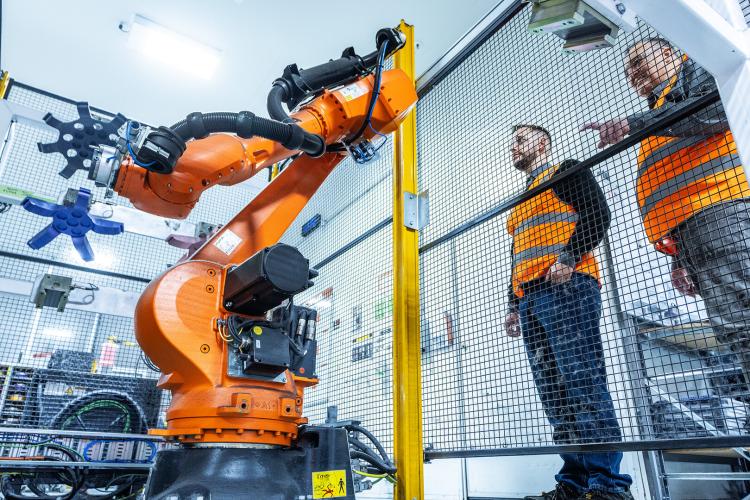
As a result, safety strategies are increasingly focused on engineered protections such as interlocks, fail-safe controls, and integrated monitoring systems capable of detecting faults in real time. The objective is to protect workers while ensuring uninterrupted service delivery to end users.
Legacy infrastructure driving safety upgrades
A significant proportion of Australia’s water and utilities infrastructure continues to rely on legacy equipment that predates current safety expectations. This has created growing demand for modernisation programs focused on upgrading both mechanical and control systems.
Utilities operators are increasingly investing in retrofitting machine guarding, improving control system visibility, and validating safety functions against current standards. These upgrades are aimed at reducing downtime risk while improving operational resilience across critical infrastructure networks.
Compliance expectations tightening across the sector
Utilities operators are required to meet strict workplace health, safety, and environmental obligations, with machinery safety frameworks playing a central role in regulatory compliance. Under standards such as AS/NZS 4024 and ISO 12100, organisations must demonstrate that hazards are systematically identified and controlled throughout the lifecycle of assets.
As regulatory expectations evolve, structured risk assessment and documented safety systems are becoming a baseline requirement rather than an optional enhancement.
Safety increasingly linked to service reliability
In the utilities sector, safety performance is directly tied to operational continuity. Facilities that invest in modern safety systems are reporting fewer unplanned outages, improved workforce confidence, and stronger alignment with ESG and regulatory expectations.
Industry specialists such as Machine Safety Australia note that safety is increasingly being viewed not as a cost centre, but as a foundational enabler of reliability in critical infrastructure.
Utilities future shaped by automation and resilience
As Australia’s demand for water and utility services grows alongside increased automation and digital integration, safety systems will need to evolve in parallel with infrastructure complexity.
The organisations best positioned for the future will be those capable of integrating safety into automated environments, modernising legacy infrastructure, and maintaining compliance without compromising service delivery. In this context, equipment safety is becoming central to building resilient, efficient, and future-ready utilities networks across Australia.